Sri Lanka in January: weather, where to go and what to wear
January is Sri Lanka's driest, busiest month in the south and west. Where to go, cold hill nights, festivals, and what to wear at temples and peraheras.
By Manodya Madushanka · Published
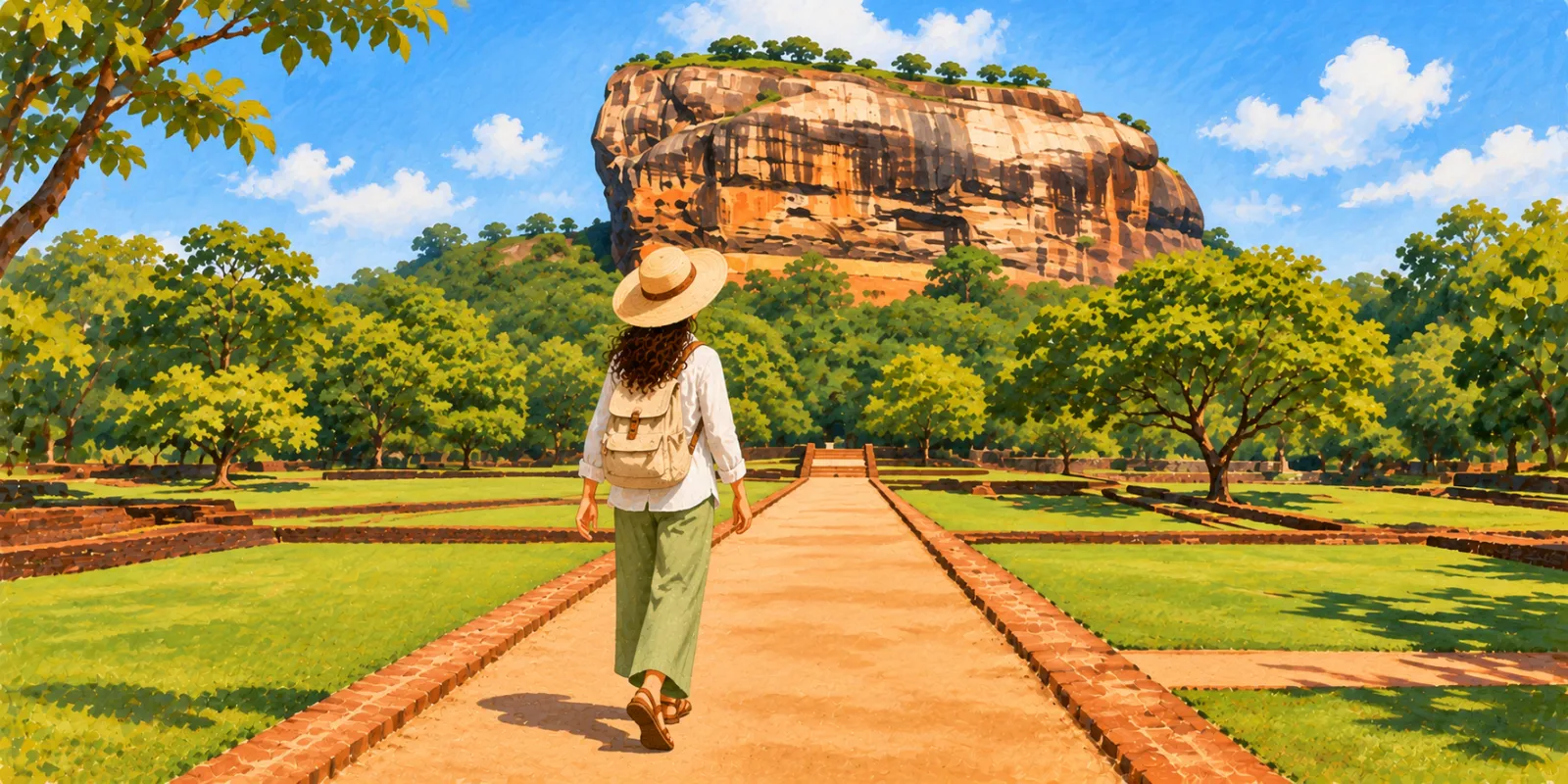
January is Sri Lanka at its most reliable. The northeast monsoon that soaked the east in December is losing strength, the south and west coasts are at their sunniest, and the ancient cities of the north-central plains dry out after the rains. It is the peak of high season, so the beaches and Adam's Peak are busy and prices are high. The clothes question is mostly about sun, with one cold exception: the hill country has its chilliest nights of the year.
In short
- The south and west coasts are dry and sunny: Colombo averages only about 55 mm of rain over around five days.
- It is the best month of the year for the Cultural Triangle. Start early anyway: by midday it is hot.
- Pack a proper warm layer for Nuwara Eliya and Horton Plains, where nights can drop to around 9°C.
- Duruthu Poya is expected on Friday 22 January 2027, and Thai Pongal on 15 January. Dress in white or light colours for temple visits and processions.
- Colombo day
- 31°C
- Colombo night
- 22°C
- Rain (Colombo)
- ~55 mm
- Sunshine
- 8 hrs/day
What the weather is really like in January
The Department of Meteorology counts January as the middle of the northeast monsoon, which runs from December to February. By January it is weaker than at its start, and its rain falls mainly on the east and north of the island. The southwest, which gets most of its rain from the other monsoon, is at its driest.
Colombo shows how settled it gets: around 31°C by day, 22°C at night, roughly eight hours of sunshine a day and only about 55 mm of rain, usually on four or five days. It feels a little less sticky than in the wet months, but the sun is strong. The east coast is the opposite: rain eases through the month but it is still showery, and the beach season there does not really start until about April.
In the hills, clear skies mean cold nights. Nuwara Eliya sees days of around 20°C but nights that can fall to about 9°C, and dawn on Horton Plains or the summit of Adam's Peak feels colder still. Ella is milder, though it can still be misty and damp in the mornings.
Region by region
| Region | January weather | Verdict | What to wear |
|---|---|---|---|
| South coast (Galle, Unawatuna, Mirissa) | Sunny and dry, with calm seas | At its best — and at its busiest | Swimwear, a cover-up for town, sun hat, sunglasses |
| West coast (Colombo, Negombo, Bentota) | Hot, dry and less humid | Excellent | Linen, sandals, a long-sleeved shirt for sun |
| Cultural Triangle (Sigiriya, Dambulla, Anuradhapura) | Dry, sunny and hot by midday | The best month of the year | Light long trousers or a long skirt, sun hat, slip-off sandals |
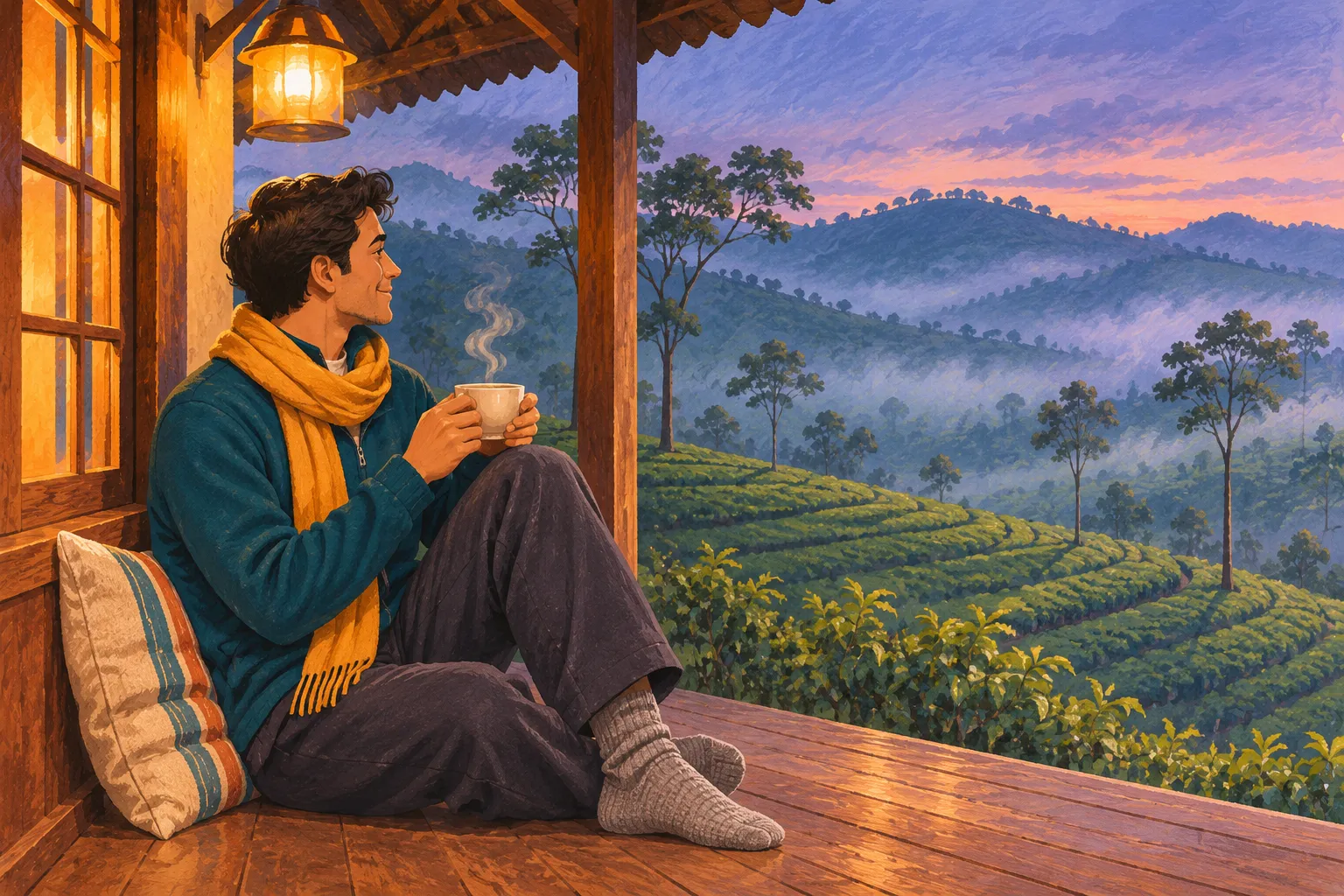
| Hill country (Kandy, Nuwara Eliya, Ella) | Clear days, cold nights; misty mornings | Lovely, but bring real warmth | Warm fleece or jumper, long trousers, closed shoes |
| East coast (Trincomalee, Pasikudah, Arugam Bay) | Monsoon rain easing, still showery | Still off season | Rain jacket, if you go |
| The north (Jaffna) | Warm, with the monsoon easing | Improving, and lively at Thai Pongal | Modest, light clothing for kovils |
Where to go in January
January suits a classic loop. Start in the Cultural Triangle, where Sigiriya, Dambulla and Polonnaruwa are dry and green after the rains, then go up into the hills for tea country, and finish on the south coast for beaches and whale-watching boats from Mirissa, which have their best season from December to April.
Adam's Peak is in its pilgrimage season and January is one of its two busiest months, especially on weekends and around Duruthu Poya. Climb on a weekday if you can, and expect queues on the steps near the top.
What to wear in January
31°C · dry
Coast and cities
- Linen shirt
- Swimwear, beach only
- Sun hat
- Sandals
Hot by midday
Cultural Triangle
- Long-sleeved shirt
- Light trousers
- Sun hat
- Slip-off sandals
Down to about 9°C
Hill-country nights
- Warm fleece
- Light jacket
- Long trousers
- Warm socks
- Closed shoes
White or light colours
Poya and peraheras
- White sleeved top
- Long skirt or trousers
- Light scarf
- Slip-off sandals
For the Cultural Triangle
The ancient cities are where January's sun hits hardest, because there is little shade and you are walking for hours. A loose long-sleeved shirt and light long trousers or a long skirt protect you from the sun and already meet temple rules, so you never need to change. At Dambulla, Anuradhapura and the Polonnaruwa temples you take off your shoes and walk on stone that heats up quickly, so go early, and wear sandals you can slip off and on.
For the hills
This is the month to bring a real warm layer, not just a light cardigan. A mid-weight fleece or jumper, long trousers and socks will make evenings in Nuwara Eliya and the early start for Horton Plains far more comfortable. Many guesthouses in the hills have no heating, so something warm to sleep in helps too.
Temple dress code and processions
The rules are the same as the rest of the year: at Buddhist temples, including the Temple of the Tooth in Kandy, cover your shoulders and knees and take off your shoes and hat before you enter. Visitors in shorts or sleeveless tops can be refused entry. The UK Foreign Office travel advice also warns against posing for photos with your back to a Buddha statue. Our November guide covers kovils and mosques.
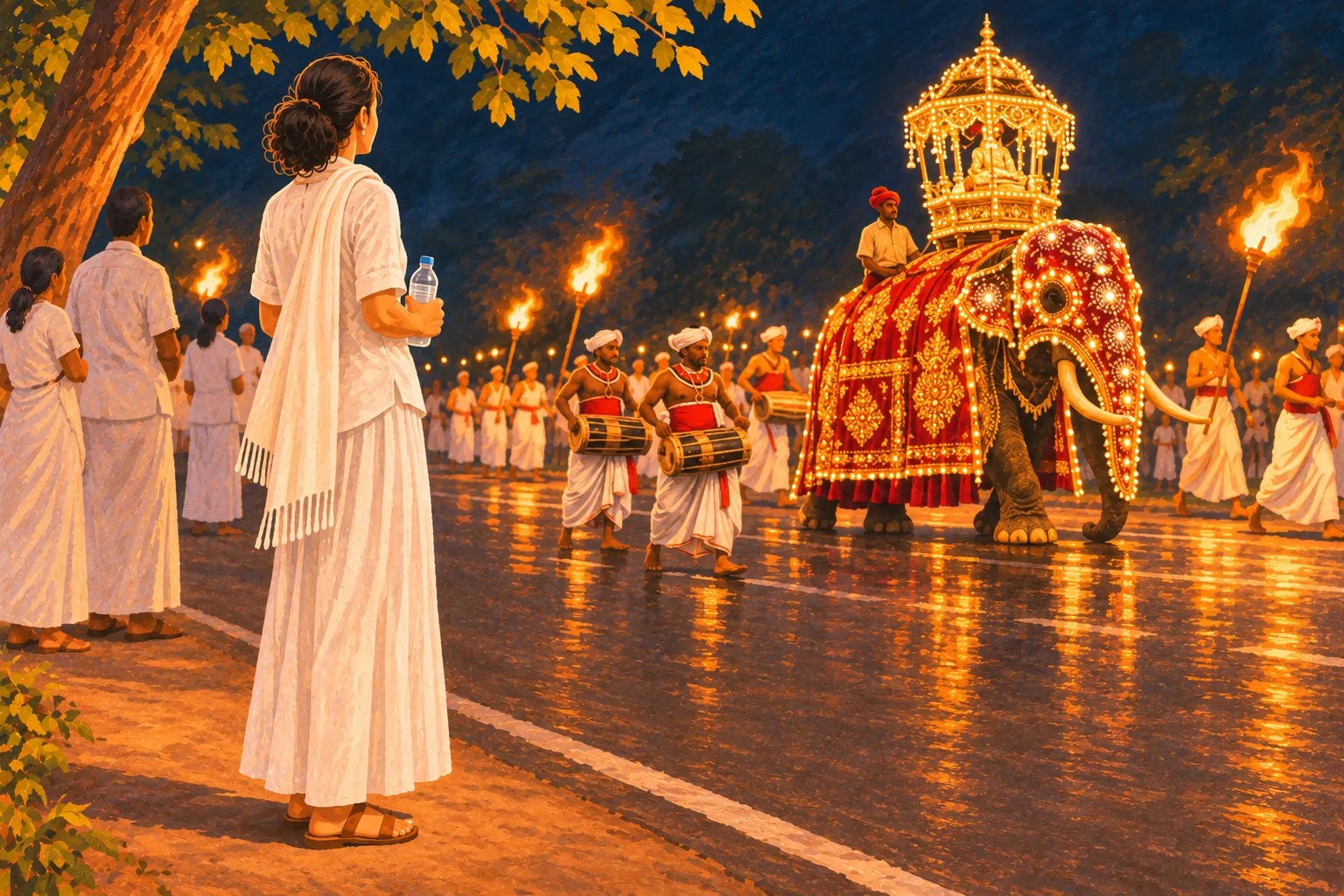
If you watch a perahera, a night-time temple procession with drummers, dancers and decorated elephants, dress as you would for a temple, in light, modest clothes. You may be standing on the roadside for hours, so wear comfortable shoes and bring water, and take care not to block the route or use a flash on the elephants.
Festivals and holidays in January 2027
- Tamil Thai Pongal — expected on Friday 15 January. The Hindu harvest festival, when families boil the first rice of the season in milk until it overflows, a sign of plenty. It is celebrated most visibly in Jaffna, in the hill-country tea estates and in Colombo's Tamil neighbourhoods. If you are invited into a home or kovil, modest, bright clothing is welcome.
- Duruthu Full Moon Poya — expected on Friday 22 January. It marks the Buddha's first visit to Sri Lanka. Temples are crowded with people in white, sales of alcohol and meat are banned for the day, and many bars close.
- The Kelaniya Duruthu Perahera — the procession at Kelaniya Raja Maha Vihara, just outside Colombo, held over three nights in January and usually around Duruthu Poya. The temple has not announced the 2027 dates yet.
The 2027 dates above come from published holiday calendars. Poya dates are approved by the government each year, so check them against the official calendar before you plan around them.
January packing list
- 4–6 loose cotton or linen tops, including one or two long-sleeved shirts for sun
- Light trousers or long skirts that work for temples, plus shorts for the beach
- A white or light-coloured outfit for Poya days and peraheras
- A sarong or large scarf for temple cover-ups and beach wraps
- A warm fleece or jumper, socks and long trousers for the hills
- Sun hat, sunglasses and high-factor sunscreen
- Sandals you can slip off, and closed shoes for walks and Adam's Peak
- Swimwear and a cover-up
- Insect repellent for evenings
Frequently asked questions
Is January a good time to visit Sri Lanka?
Yes. It is one of the driest and sunniest months for the south and west coasts and the best month for the Cultural Triangle. It is also peak season, so book rooms, safaris and trains early and expect higher prices.
Which side of Sri Lanka is best in January?
The south and west. Galle, Unawatuna, Mirissa, Bentota and Negombo are dry and sunny. The east coast, around Trincomalee and Arugam Bay, is still in the tail of its rainy season.
What should I wear in Sri Lanka in January?
Loose linen or cotton and good sun protection for the coast and the ancient cities, a warm fleece for cold nights in Nuwara Eliya and Ella, and long trousers or a long skirt plus a scarf to cover shoulders and knees at temples.
How cold is Nuwara Eliya in January?
Days are mild at around 20°C, but nights can fall to about 9°C, and early mornings on Horton Plains feel colder. Bring a warm fleece or jumper, long trousers and socks.
When is Duruthu Poya in 2027?
Published 2027 holiday calendars list it on Friday 22 January. Poya dates are confirmed by the government each year, so check the official calendar before you travel.
More for Sri Lanka
Month by month
Sri Lanka in November: weather, where to go and what to wear
The inter-monsoon month: afternoon storms almost everywhere, a south coast that clears as it ends, and cool, misty hills.
Month by month
Sri Lanka in December: weather, where to go and what to wear
High season starts: sunny south and west coasts, a rainy east, chilly hill-country dawns and the Adam's Peak pilgrimage opening.